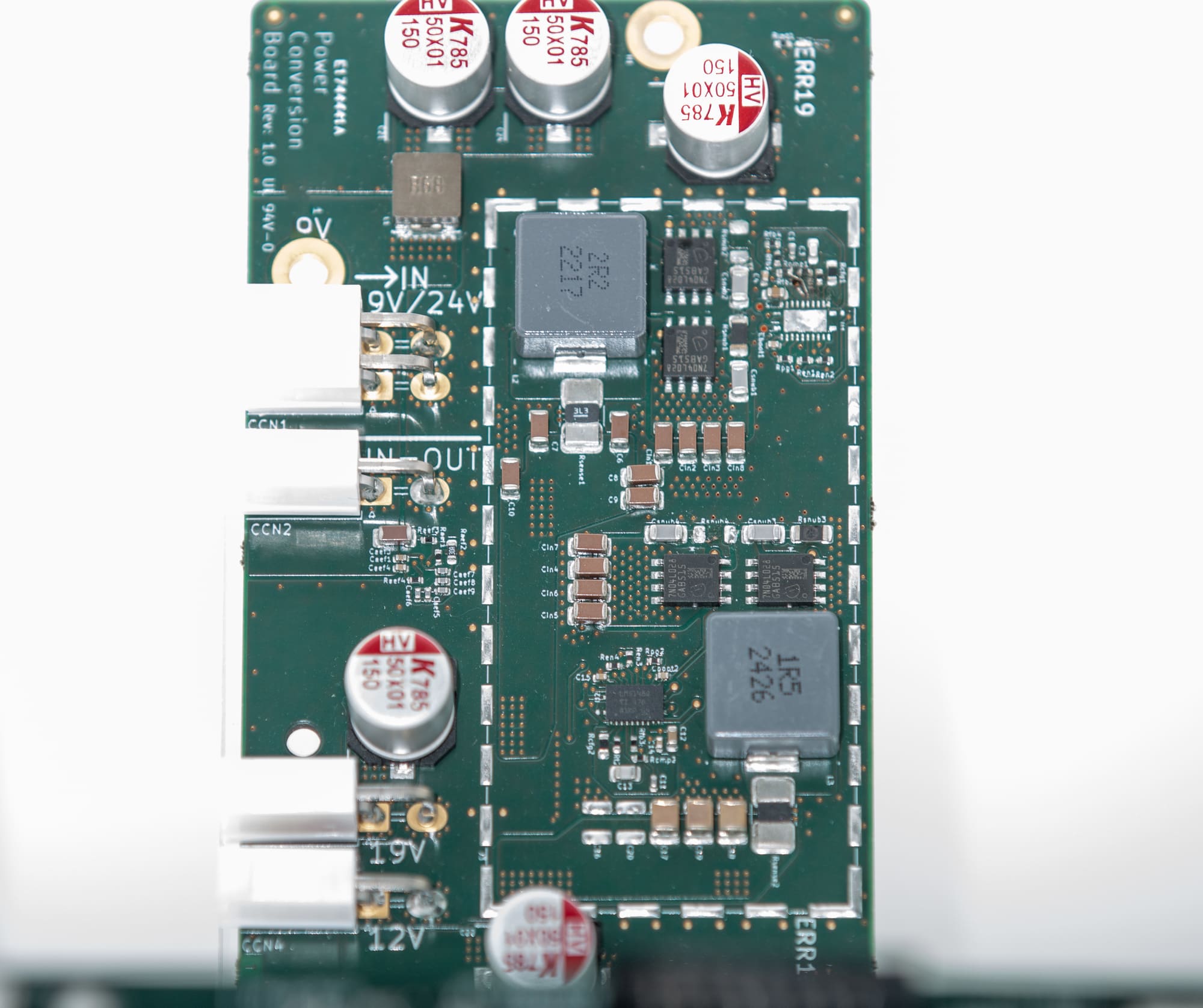
One of the trends in the medical sector is that treatments are more and more outside of hospital walls, and therefore devices are becoming more mobile and wearable. As a result, power monitoring and power management is becoming a crucial element in the device's practical usage.
Understanding power needs
Understanding the power needs of our devices is where it all begins. We delve into how much power each part consumes: things like sensors, processors, displays, and communication modules. It's not just about how long the device can run; it's also about safety, size, weight, efficiency, and ease of use.
Power optimization
Once we grasp those needs, the next step is power optimization. We use tools to track where power is slipping away and start mapping power use to components, duty cycles and operating modes.
A practical example
A device we worked on used about 1.2mA in sleep and 400mA while active. After a schematics analysis and board level component power use calculation, we were able to reduce sleep power to less than 350µA by removing a small number of components from the BOM and optimizing the system software.